
Chemical Composition & Grade
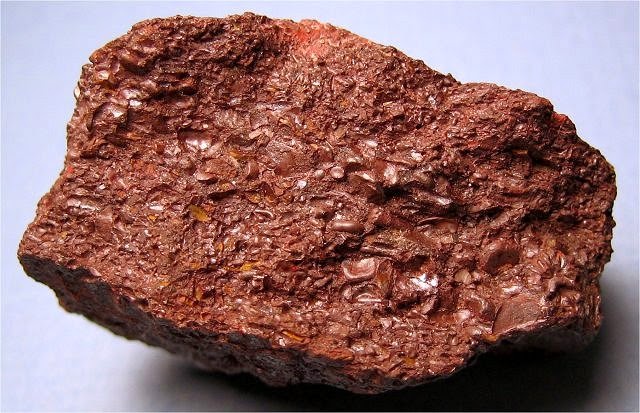
The value of iron ore is determined by its iron ($Fe$) content versus impurities (gangue).
-
High-Grade ($>65\%$ $Fe$): Premium ore (often magnetite concentrates or high-purity hematite) used for Direct Reduced Iron (DRI) or high-efficiency blast furnaces.
-
Medium Grade ($62\% – 64\%$ $Fe$): The standard global pricing benchmark.
-
Low Grade ($<61\%$ $Fe$): Requires blending or intensive processing.
Maximum Impurity Thresholds (Standard 62% Fe Basis)
-
Silica ($SiO_2$): ~4.0% base (max 8.0%) — impacts slag and furnace efficiency.
-
Alumina ($Al_2O_3$): ~2.3% base (max 4.0%) — affects slag viscosity.
-
Phosphorus ($P$): Max 0.075% – 0.10% — excess causes steel brittleness.
-
Sulfur ($S$): Max 0.02% – 0.06% — causes hot-shortness (cracking during hot working).
-
Moisture: 8.0% – 10.0% max (critical for shipping limits and dry-weight settlement).
2. Physical & Size Specifications
Ore is traded in three primary physical forms, each with strict sizing tolerances to ensure uniform gas flow during smelting:
-
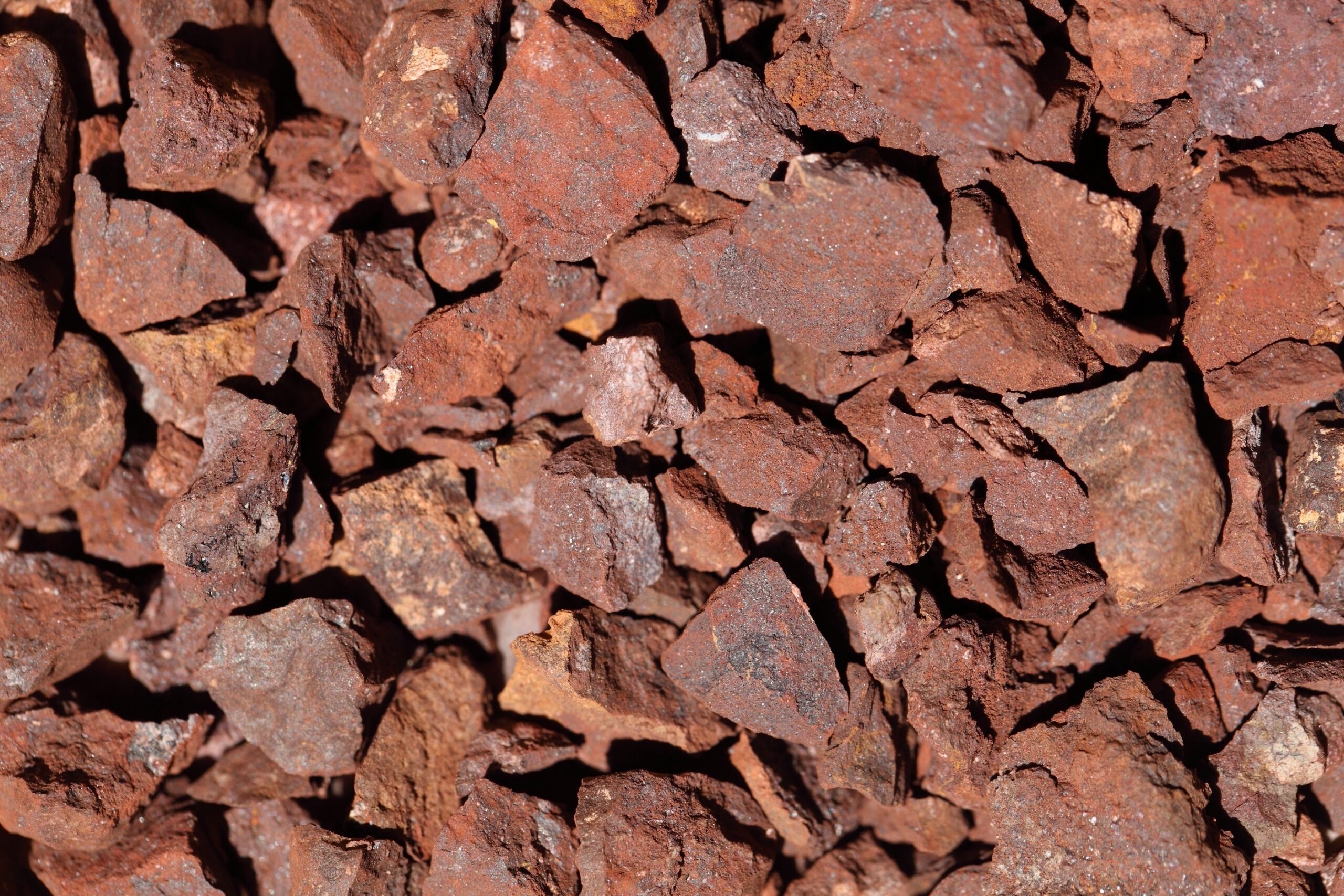
Fines (-6.3 mm to -10 mm): Smaller particles agglomerated into sinter before smelting. Requires a minimum of 90% passing through the target screen, with strict limits on ultra-fine dust (-150 mesh).
-
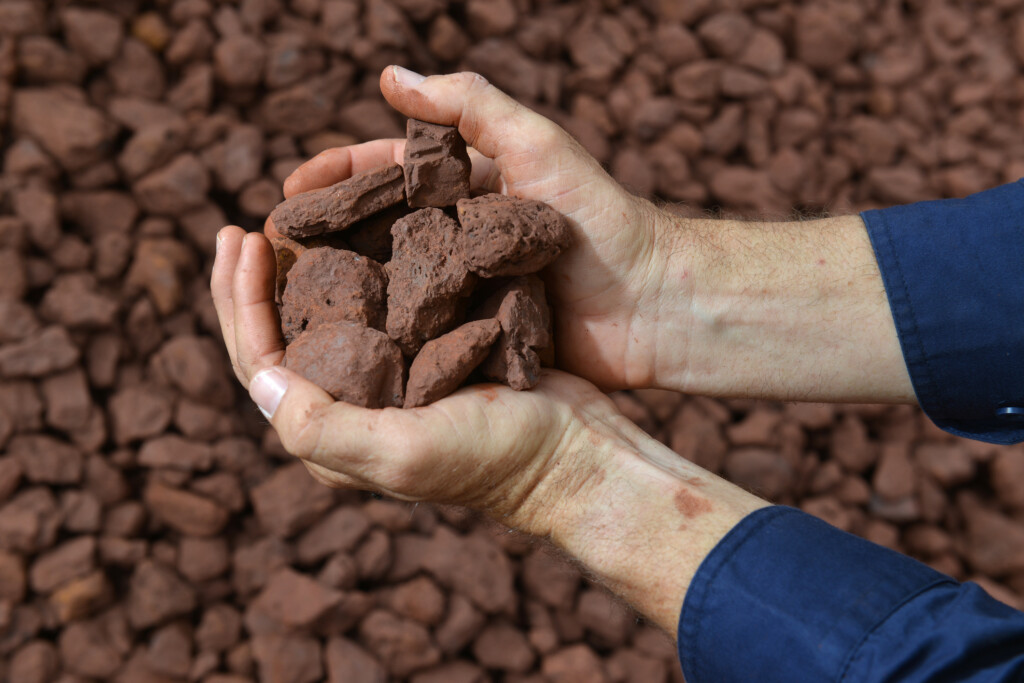
Lump (+6 mm to -30 mm / -40 mm): Charged directly into the furnace. Requires tight tolerances on undersize material (typically max 5%–8% of -6.3mm fines) to prevent clogging.
-
Pellets (9 mm to 16 mm): Ultra-fine concentrate baked into hard spheres. Valued for DRI production, requiring high Compression Strength ($>250\text{ kg/pellet}$) and a Tumble Index ($>94\%$) to resist crushing during handling.
There are no reviews yet.